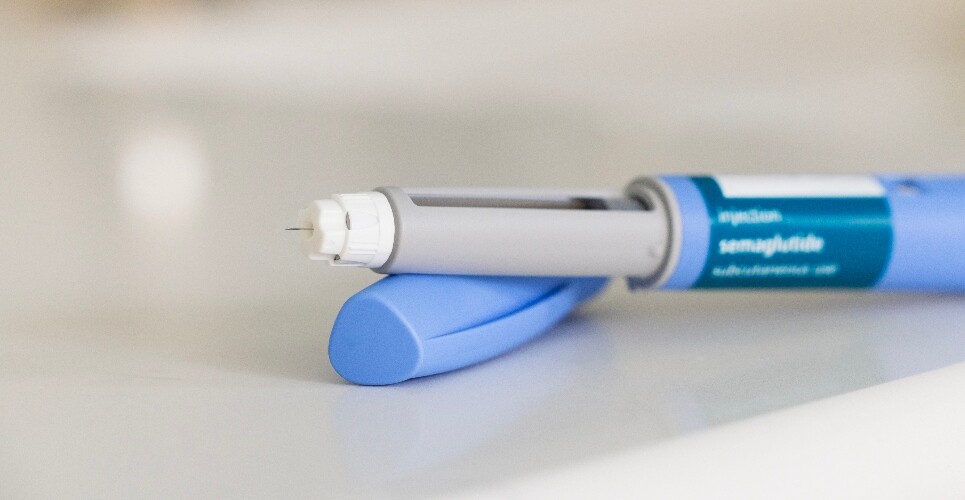
The product information for all glucagon-like peptide-1 (GLP-1) agonists and dual GLP-1/glucose-dependent insulinotropic polypeptide (GIP) receptor agonists have been updated to strengthen warnings about the risk of severe acute pancreatitis, including rare reports of necrotising and fatal pancreatitis.
The Medicines and Healthcare products Regulatory Agency (MHRA) has issued a drug safety alert regarding GLP-1s following this change, advising healthcare professionals to remain vigilant for signs and symptoms of acute pancreatitis in patients treated with GLP-1 and GLP-1/GIP receptor agonists.
While acute pancreatitis is a recognised side effect with GLP-1 receptor agonists and dual GLP-1/GIP receptor agonists, the overall frequency remains uncommon.
However, post-marketing experience has revealed that some rare reports of acute pancreatitis have been particularly severe, including necrotising and fatal pancreatitis.
For example, in the UK between 2007 and October 2025, the MHRA received 1,296 Yellow Card reports of pancreatitis (including acute, autoimmune, chronic, haemorrhagic, necrotising, subacute and obstructive forms of pancreatitis) associated with GLP-1 receptor agonists or dual GLP-1/GIP receptor agonists. Of these, 19 reports were fatal and 24 were reported as necrotising pancreatitis.
The Pharmacovigilance Expert Advisory Group of the Commission on Human Medicines has therefore advised that the ‘product information for all GLP-1 and dual GLP-1/GIP receptor agonists should be strengthened to highlight the potential severity of acute pancreatitis and to ensure consistency across the class of medicines’, the MHRA explained.
GLP-1 drug safety alert recommendations
Responding to this, the MHRA drug safety alert advice says that if patients develop any severe and persistent abdominal pain that may radiate to the back and may be accompanied by nausea and vomiting, they should seek urgent medical attention.
Privately prescribed GLP-1s may not appear on the patient’s medical history so if a patient presents with these symptoms, healthcare professionals should enquire about GLP-1 use, it continues.
If pancreatitis is suspected, GLP-1 treatment should be stopped immediately and not restarted until the diagnosis is confirmed.
Additionally, GLP-1s should be used with caution in patients with a history of pancreatitis, the drug safety alert said.
As with all drugs, any suspected adverse reactions should continue to be reported via the Yellow Card scheme.
In the past five years, it is estimated that 25.4 million packs of GLP-1 receptor agonists have been dispensed, according to the MHRA.
The pancreatic enzyme replacement therapy (PERT) medication Creon – used in people with chronic pancreatitis – is currently facing supply issues and recently had its Serious Shortage Protocol (SSP) extended.
Risk of NAION with semaglutide
Following this MHRA drug safety update, the regulator has also added the ‘very rare’ occurrence of non-arteric anterior ischemic optic neuropathy (NAION) to the product information of semaglutide.
NAION is an extremely rare event caused by reduced blood flow to the front portion of the optic nerve which typically causes sudden, painless loss of vision in one eye.
Patients who have experienced NAION describe it as a blurring or cloudiness of vision.
Any patients taking semaglutide – sold under the brand names Ozempic, Rybelsus and Wegovy – who notice a sudden impairment to their vision, should urgently attend eye casualty or A&E, the MHRA said.
The regulator’s chief safety officer, Dr Alison Cave, said: ‘While the potential risk of NAION for patients prescribed semaglutide is extremely small, it is important that patients and healthcare professionals are alert to the associated symptoms.’
Privately prescribed semaglutide may not appear on a patient’s medical history so if a patient presents with these symptoms, healthcare professionals should enquire about semaglutide use.
If NAION is confirmed than semaglutide treatment should be stopped immediately.
Previous evidence
Patients with type 2 diabetes are at increased risk of NAION as a result of their condition. Other risk factors for developing NAION include smoking, hypertension and hypercholesterolemia.
Studies have suggested that semaglutide treatment may be very rarely associated with NAION, affecting up to one in 10,000 people taking the drug.
In June 2025, a European review of evidence from clinical studies, post authorisation reports and other literature suggested that exposure to semaglutide in adults with type 2 diabetes may be associated with an approximately two-fold increase in the relative risk of developing NAION.
In the UK, since semaglutide’s first authorisation in 2018 up to 1 August 2025, the Yellow Card scheme has received three spontaneous reports suggestive of NAION with semaglutide.
A version of this article was originally published by our sister publication The Pharmacist.