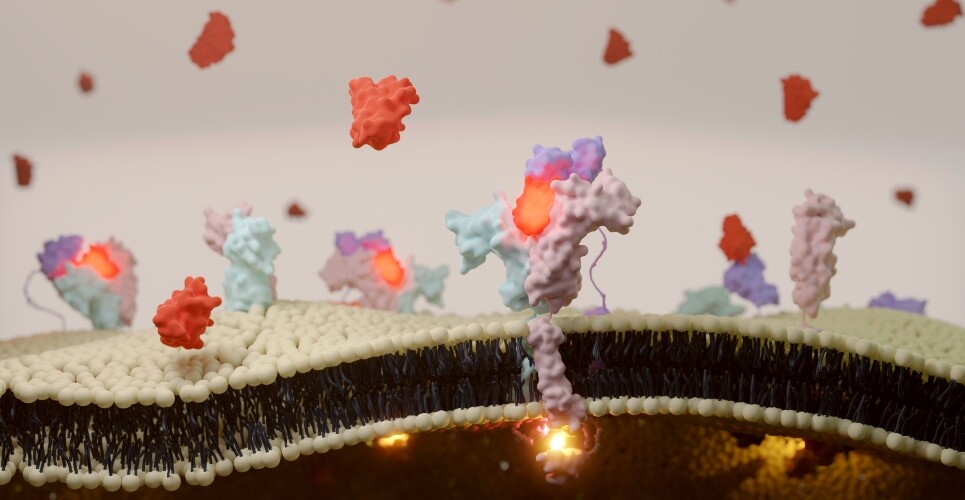
Intralesional interleukin-2 (IL-2) immunotherapy might offer an effective alternative treatment for patients with cutaneous squamous cell carcinoma (cSCC), especially those with early-stage invasive disease, according to a recent case series.
cSCC is a common malignancy, for which surgery is the standard and often curative approach. However, in cases of recurrent disease, locally advanced presentations, and involvement of sensitive anatomical regions, management remains challenging, highlighting the limited availability of effective therapeutic strategies.
Published in the journal JAMA Dermatology, the case series conducted between 2017 and 2024 evaluated the efficacy and safety of intralesional IL-2 in patients with high-risk cSCC who were unsuitable for surgery or had disease in cosmetically sensitive areas.
A total of 16 patients with histologically confirmed cSCC from a single high-volume referral centre for surgical oncology and immunotherapy were included. The mean age of the participants was 79 years (range 59–99), and 56% were male.
Patients had either failed prior surgical management, had comorbidities precluding surgery, or presented with tumours in cosmetically sensitive areas. Most lesions were located in the head and neck region.
Patients received intralesional IL-2 injections every two weeks, with dosing tailored to lesion size and patient tolerance. The mean number of treatment sessions was 10 (range 2–32), with a mean treatment duration of 13 months.
The primary outcome was progression-free survival, defined as time to progression or last follow-up. Secondary outcomes included treatment response, assessed using standard immune response criteria, and treatment-related adverse events.
Response and safety with intralesional IL-2
The study reported a complete response rate of 81% (13 of 16 patients), with no partial responses observed, yielding an overall response rate of 81%. Median progression-free survival was 19 months (range 1–77 months). The three non-responders required salvage interventions, including surgery or palliative chemotherapy.
Treatment was generally well tolerated. Only grade 1 or 2 adverse events were reported, with no severe (grade ≥3) toxicities observed. The most common side effects included transient fever, chills and malaise, typically resolving within 24 hours, while some patients also reported nausea or vomiting.
The authors acknowledged that the case series was limited by its small sample size and non-randomised design, which may lead to overestimation of treatment effects. The single-centre setting and highly selected patient population also limit generalisability.
Despite these limitations, the findings suggested that intralesional IL-2 may offer a viable treatment option for patients with cSCC who are not candidates for surgery or systemic immunotherapy.
Expanding the cSCC treatment landscape
Compared with systemic therapies such as cemiplimab, which has reported complete response rates of 53% and higher rates of grade 3 or higher toxicity, intralesional IL-2 demonstrated a higher complete response rate in this cohort with a more favourable safety profile.
Potential benefits of intralesional IL-2 therapy, such as reduced cost, easy administration and suitability for resource-limited settings, were emphasised by the authors, who also noted that durable responses occurred in some patients with multifocal or recurrent disease, with no evidence of treatment resistance over time.
As expected, more randomised controlled trials are needed to confirm these results, determine the most suitable patient selection and establish the role of intralesional IL-2 within the broader treatment landscape for cSCC.
Reference
Giacomantonio CA, Vidovic D, Cruickshank B. Intralesional interleukin-2 therapy for treatment of cutaneous squamous cell carcinoma. JAMA Derm 2026; Mar 18:doi:10.1001/jamadermatol.2026.0181.
This article was originally published by our sister publication Hospital Healthcare Europe.