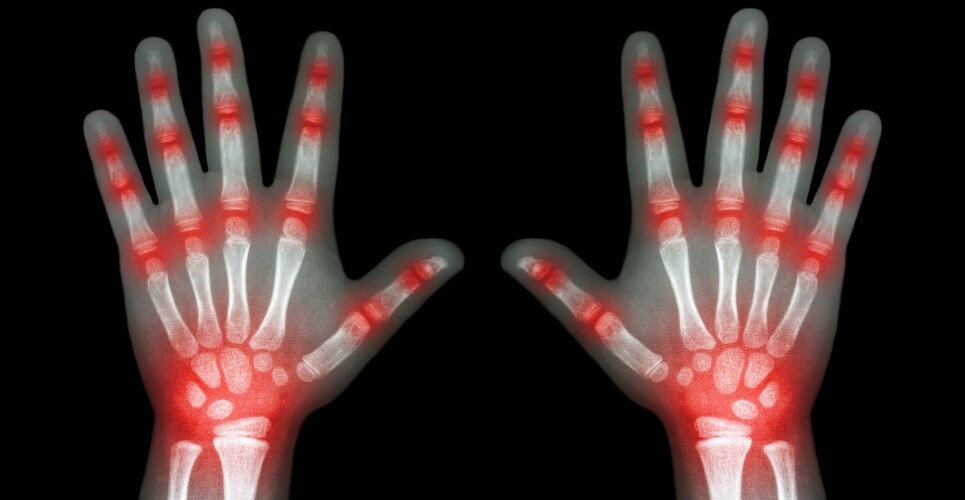
Shortages of key corticosteroids have been disrupting first-line treatment for juvenile idiopathic arthritis across the UK for some time. Here, Octavio Aragon Cuevas describes a national survey capturing how healthcare professionals are adapting to limited access, highlighting reliance on less effective or unlicensed alternatives and the resulting impact on patient care, service pressures and inequalities.
Intra-articular corticosteroid injections are a common first-line therapy for children suffering from juvenile idiopathic arthritis (JIA). They work quickly, providing relief within days.
They can delay or avoid the use of immunomodulatory systemic therapy and can also be utilised to help patients increase joint functionality while waiting for systemic therapies to become effective through ‘bridging’.1
WHO essential medicines and paediatric rheumatology
The Paediatric Global Musculoskeletal Task Force recently updated and extended the World Health Organization (WHO) essential medicines list (EML) for children with paediatric rheumatology conditions.2,3
The additions were based on collective international opinions expressed in surveys conducted by the Task Force between 2020 and 2023 and were informed by modern treatment guidelines.
This led to both triamcinolone hexacetonide (TH) and triamcinolone acetonide (TA) being included in the latest WHO EML for children with rheumatology conditions, as first-line treatment and a therapeutic alternative, respectively, for the management of joint inflammation.4
Medicines on the WHO EML are intended to always be available, in appropriate dosage forms, of assured quality and at prices that individuals and health systems can afford.5 Despite this, the availability of TH globally has been challenging, with national production stopping in the US in the 2010s and more recently in the UK in the 2020s, leading to shortages.
Initially, unlicensed imported products could be obtained via wholesalers of unlicensed medicines, but as global supplies began to run dry, restrictions were introduced on the import of TH, leading to a complete absence of the drug in the UK by 2024. The issue was compounded in 2025 when the company with production rights for TA also discontinued UK production.6
Currently, imports of TH and TA are available but expensive and unlicensed for use in children in the UK. Some specialist centres might be able to purchase these products, but others might not, leading to inequalities in care across the country.
Drug shortages impact patients and healthcare services
The reasons behind drug shortages are complex, ranging from manufacturing disruptions to demand surges or transport or logistical issues, which are, at times, compounded by social or geopolitical issues.7–9
Using TA – a shorter-lasting alternative to TH – necessitates more frequent injections. As many young children are not usually able to tolerate joint injections without a general anaesthetic, they are forced to attend hospital more regularly, leading to increased time away from education and affecting their parents’ ability to work.
It also increases the child’s exposure to anaesthetic agents and places further strain on NHS services through the use of additional theatre spaces and added pressure on an already stretched workforce.9
A study from Israel showed that the switch from TH to the more soluble TA doubled relapse rates at 40 months.10
Drug shortages also affect healthcare professionals, due to the time required to source new supplies and to manage patients’ concerns and frustrations.7–9
Guidance on managing drug shortages
A number of guidance documents and strategies have been published in response to the recent increasing trend in drug shortages.7,8,11,12 They include suggestions to increase resilience of national supply chains, optimise monitoring of supply chain and communication with relevant affected sectors, and improve collaboration with national and international partners to procure medicines.7,9
Difficulties arise when the shortage is driven by market forces in the pharmaceutical industry, as the ability of government bodies to influence or incentivise private production is usually extremely limited, in particular for drugs with a small market target, such as drugs used to treat rare diseases or small patient groups.
In the UK, the British Society for Rheumatology (BSR) has worked tirelessly to try to address these issues,8,9,13,14 but, ultimately, both TH and TA remain available only through importing wholesalers.
BSR survey and response to JIA drug shortages
In an effort to support teams across the country affected by shortages, the BSR Clinical Affairs Committee distributed a survey among its adult and paediatric members to gather information on the use and dosing of alternative products for intra-articular use.
The aim of the survey was to identify any evidence-based and/or clinical experience for the off-label use of alternative intra-articular products in children with JIA, including current evidence and clinical experience in the adult community that could be extrapolated to paediatric care to combat drug shortages.14
They created a cross-sectional survey with one section and 19 questions in Microsoft Forms. The survey included a range of open and closed questions, along with an introductory paragraph explaining how best to complete it. All questions were mandatory.
The survey was distributed to all BSR members involved in paediatric, adolescent and adult care via email. Potential participants were advised to answer the survey in a multidisciplinary setting and to avoid submitting duplicate responses from the same Trust or place of practice. Participants were given four weeks to reply.
Ethical approval was not required, as the survey was completely anonymous, with the only potential identifier being the name of the Trust or organisation the participant worked for. The survey closed on the original deadline, and responses were downloaded into an Excel file on a password-protected drive.
Duplicated entries from the same Trust were merged into a single entry whenever they provided the same information. If there were different comments on the free-text answers, all comments were taken into account for the response analysis.
Simple descriptive statistics such as percentages and means were used to analyse the responses. Free-text answers from the participants were collated with regard to their perceptions on the safety of the different products, efficacy, and duration of action.
Survey results and discussion
A total of 121 responses were received, of which 26 were duplicate entries, leaving 95 responses. Of these, 15 responses (16%) were from paediatric centres, 55 (58%) from adult centres, and 20 (21%) from centres with both adult and adolescent patients. Five responses (5%) were from centres that looked after life-course rheumatology patients.
Within the paediatric centres sample (n=20), the use of alternative intra-articular products was limited to methylprednisolone acetate (MeA) and hydrocortisone sodium phosphate (HySP). None of these centres used dexamethasone sodium phosphate (DeSP), betamethasone sodium phosphate (BeSP), or any other corticosteroids.
MeA was the most commonly used product, with eight of 20 centres (40%) reporting practical experience. Of these eight, four were centres that also cared for adult rheumatology patients and stated that their use of MeA might be limited to small joints and/or to adult or adolescent patients, but not to paediatric patients.
Only two of 20 centres (10%) reported experience with HySP, with both caring for adult patients alongside paediatric patients. They stated that they would use HySP only for small joints or carpal tunnel procedures and could not recommend evidence-based doses for children.
Off-label medicines in JIA to address shortages
Imported medicines are classified as unlicensed, whereas medicines with a valid UK marketing authorisation that are used outside their licensed remit are classified as off label.
The UK now lacks any licensed medicines for intra-articular use in children with JIA. Off-label use of medicines is sometimes necessary in paediatric practice due to insufficient clinical trial data. When medicines are used off label, it is imperative to determine appropriate and effective doses for children.
Extrapolation of dosing recommendations from adult practice to children has led to harm on several occasions due to differences in pharmacokinetic and pharmacodynamic parameters between children and adults.15
These differences cannot be recognised if the drug in question is not studied in the target population.16
Patients and families should be informed about the use of off-label and unlicensed medicines, particularly when practical experience with off-label use is limited. Ultimately, the responsibility and liability for using a medicine outside its licence lies with the prescriber.17
Off-label use of medication is generally acceptable but only when there is sufficient empirical evidence to demonstrate that the dose recommendations are appropriate and safe, and, if necessary, when monitoring mechanisms are in place to ensure the safety and efficacy of these treatments for patients.18
Efficacy and duration of TA versus TH in JIA
TA has never been licensed for joint injections in children with JIA. Despite this, it has been considered a suitable alternative to TH, supported by clinicians’ extensive experience and a clear dosing recommendation for paediatric practice.
Off-label use of TA for joint injections in children is considered safe, but our respondents felt that TH is superior to TA in both acute and long-term efficacy: 16 of 20 (80%) agreed that the duration of action was better with TH than with TA.
Both TH and TA were considered superior to MeA and far more so than HySP, in both acute efficacy and duration of action. The respondents’ perceptions are supported by the available literature.
Zulian and colleagues19,20 compared TH and TA in 37 JIA patients (86 joints) and used doses of TA higher than recommended in some cases. The relapse rate was much higher in the TA group (53.8% vs 15.4%), and the percentage of joints with lasting remission was higher in the TH group than in the TA group (80 vs 47.5% after 12 months and 63.6 vs 32.4% after 24 months; P=0.003).
In a study by Eberhard et al, 794 joint injections were examined, of which 422 were injected with TH and 372 with TA.21 TH proved more effective than TA with respect to the time to relapse after the first injection (P < 0.001).
These findings were corroborated in 2011 in an experimental cohort review of 61 patients (121 joints), which showed a longer duration of action with TH compared with TA and MeA in JIA.22 This work recommends higher than licensed doses in all corticosteroid modalities, with TH doses up to 1 mg/kg.
More recently, a worldwide survey on joint injection practice in JIA highlighted significant variations in paediatric joint injection practice across the world, including the use and choice of local anaesthesia, choice of agent, dose of agent, and ultrasound-guided injection.23
Clinicians reported greater efficacy with TH products and used TA and other products only when TH was unavailable. Published evidence further supports the use of TH for joint injections in children.
A US study by Chun et al reported a retrospective chart review of 39 patients (165 joint injections).24 The team concluded that TH has a longer duration of action than TA and is associated with fewer systemic side effects.
Rubin et al reached a similar conclusion in a retrospective review of patients treated with TH versus TA.10 They included 102 patients (292 joints) and showed that both agents were similarly efficacious in the short term, but a significantly longer time to relapse with TH compared with TA.
Finally, a Chinese team reviewed the literature on joint injections for JIA, examining the choice of drug, dose, anaesthesia and injection techniques, as well as efficacy, recurrence and other potential influencing factors.25
They reached similar conclusions to Chun et al and Rubin et al but highlighted that more soluble preparations, such as MeA, could be preferable in facet and small joints to avoid subcutaneous atrophy.
This feeling was echoed amongst our BSR survey respondents. Both adult and paediatric respondents felt that more soluble products (MeA, HSP, DeSP, BeSP) are less likely to cause skin atrophy and pigmentation issues. However, when used at larger doses, for a high number of joints or larger joints, they are also likely to cause more systemic side effects compared to less soluble products (TH).
Practitioners suggested strategies such as avoiding TH injections in ‘cosmetic’ areas or alternatively using ultrasound-guided injections. Some adult practitioners felt TA and MeA were very similar in acute efficacy and duration of effect, but highlighted potential patient idiosyncrasy, with some patients responding well to one agent and not to the other.
Experience with alternative intra-articular products was more widespread in adult practice. A total of 67 of 85 practitioners (89%) had experience using MeA, 18 of 75 (24%) had used HySP and there was some sporadic use of DeSP (8%) and BeSP (3%).
Published steroid equivalence data suggest that TA and MeA are equipotent, and available preparations are at the same concentration (40 mg/mL). Based on this, adult practitioners use equal doses of MeA to TA, and this practice has percolated into paediatrics, where centres using MeA use doses equivalent to those for TA.
With regard to UK marketing, it must be borne in mind that MeA and DeSP are licensed for adult joint injections, whereas HySP and BeSP are not licensed for administration by this route.
Survey limitations and data interpretation
As the teams were asked to complete the BSR survey in a multidisciplinary setting, the answers for a single centre could be collated readily from the survey responses. Some centres submitted more than one response, and it was not possible to ascertain which member of the team was responsible for each submission.
In joint adult and paediatric centres, adult and paediatric teams sometimes submitted responses separately – these were analysed as separate submissions. When duplicate submissions were from the same patient population age (adult, paediatric or adolescent) and were the same or extremely similar, they were combined into one for the survey analysis.
In a few cases, the responses complemented each other – that is, they provided further information. In these cases, both the approaches and suggestions were accepted as originating from the same centre.
Regarding the short-term efficacy, duration of effect and safety of the different intra-articular preparations, teams were asked to list their perceptions and any available evidence to support them. Some teams provided more detailed responses, while others gave very short answers with no attached evidence.
Although this section of the survey is based on the teams’ perceptions rather than on a formal analysis of the literature, the working group reached consensus on recommendations for some of the questions.
Based on the findings of the survey and current available evidence, the BSR made some overarching suggestions to support the choice of intra-articular agent in paediatric patients with JIA-associated joint inflammation.14
Conclusion
The discontinuation of TH and TA manufacturing in the UK has led to clinical and logistical issues for paediatric and adult rheumatology teams.14 The best evidence-based preparation for intra-articular injection in children with JIA is TH.10,19-25
Nonetheless, there is a clear lack of controlled studies that needs to be addressed. Systematic, controlled and prospective research is needed to determine the role of intra-articular injections in children with JIA, including their efficacy, safety and dosage recommendations.
Individual Trusts may wish to use these suggestions to justify importing TH and/or TA rather than the off-label use of MeA or DeSP for paediatric patients. It must be borne in mind that this may have budgetary and cost implications, and that access to medication, the legal framework for importing medicines, and the financial implications of importing medicines will vary by country.
Each centre must therefore make its own decisions on the appropriate pathway to take to overcome JIA drug shortages, based on its individual circumstances.
Author
Octavio Aragon Cuevas MRPharmS PGDipClinPharm
Lead paediatric rheumatology pharmacist, Alder Hey Children’s NHS Foundation Trust, Liverpool, UK
References
1 Scott C et al. A reappraisal of intra-articular corticosteroid therapy in juvenile idiopathic arthritis. Clin Exp Rheumatol 2010;28(5):774–81.
2 Foster HE et al. Improving musculoskeletal health for children and young people – A ‘call to action’. Best Pract Res Clin Rheumatol 2020;34(5):101566.
3 Foster HE et al. The paediatric global musculoskeletal task force – ‘towards better MSK health for all’. Pediatr Rheumatol Online 2020;18(1):60.
4 World Health Organization. WHO Model List of Essential Medicines for Children – 9th list, 2023 [Accessed April 2026].
5 World Health Organization. WHO guideline on country pharmaceutical pricing policies. 2020 [Accessed April 2026].
6 Department of Health and Social Care. Medicine Supply Notification: Triamcinolone acetonide 10mg/ml (Adcortyl® ampoules) and 40mg/ml (Kenalog® vials) suspension for injection Tier 2 – medium impact [Accessed April 2026].
7 Department of Health and Social Care. Managing a robust and resilient supply of medicines. [Accessed April 2026].
8 British Society for Rheumatology: Medicines shortages in rheumatology in 2024: key concerns and the impact on patients and clinicians. November 2024
9 British Society for Rheumatology. Written evidence from the British Society for Rheumatology (BSR) (MED0014). BSR evidence to the House of Lords Public Services Committee inquiry into Medicines Security. [Accessed April 2026].
10 Rubin S et al. The efficacy and safety of intra-articular injection of triamcinolone acetonide versus triamcinolone hexacetonide for treatment of juvenile idiopathic arthritis. Pediatr Rheumatol Online 2022;20(1):5.
11 Wickware C. Medicines shortages reported to government increase by almost 70% since 2021. Pharm J 2024;6 March.
12 Connelly D. Special report: the UK’s medicines shortage crisis. Pharm J 2023;29 June.
13 UK Parliament. Triamcinolone Hexacetonide. Question for Department of Health and Social Care UIN 10803. [Accessed April 2026].
14 British Society of Rheumatology. Responding to triamcinolone shortages: alternative products for joint injections in children with juvenile idiopathic arthritis (JIA). September 2025. [Accessed April 2026].
15 van den Anker JN, Schwab M, Kearns GL. Developmental pharmacokinetics. Pediatric Clinical Pharmacology, Handbook of Experimental Pharmacology. Springer;2011:51–75.
16 Steinbrook R. Testing medications in children. N Engl J Med 2002;347:1462–70.
17 Medicines and Healthcare products Regulatory Agency. Off-label or unlicensed use of medicines: prescribers’ responsibilities. 11 Dec 2014. [Accessed April 2026].
18 Royal College of Paediatrics and Child Health. The use of unlicensed medicines or licensed medicines for unlicensed applications in paediatric practice. [Accessed April 2026].
19 Zulian F et al. Comparison of intra-articular triamcinolone hexacetonide and triamcinolone acetonide in oligoarticular juvenile idiopathic arthritis. Rheumatology (Oxford, England) 2003;42(10):1254–1259. doi: 10.1093/rheumatology/keg358
20 Zulian F et al. Triamcinolone acetonide and hexacetonide intra-articular treatment of symmetrical joints in juvenile idiopathic arthritis: a double-blind trial. Rheumatology (Oxford) 2004;43(10):1288–91.
21 Eberhard BA et al. Comparison of the intraarticular effectiveness of triamcinolone hexacetonide and triamcinolone acetonide in treatment of juvenile rheumatoid arthritis. J Rheumatol 2004;31(12):2507–12.
22 Bradley J et al. Intra-articular corticosteroid therapy for juvenile idiopathic arthritis: report of an experiential cohort and literature review. Rheumatol Int 2011;31:749–56.
23 Dhanrajani A, Khubchandani R. Joint injection practice variations in pediatric rheumatology – a global survey and call for action. Pediatr Rheumatol 2020;18:81.
24 Chun A et al. Comparison of efficacy between triamcinolone acetonide and triamcinolone hexacetonide for intra-articular therapy in juvenile idiopathic arthritis: a retrospective analysis. BMC Rheumatol 2022;6:18.
25 Li S, Zhang W, Lin Y. Application of Intra-articular Corticosteroid Injection in Juvenile Idiopathic Arthritis. Front. Pediatr 2022;10:822009.